Trusts, tax and estate planning · Fixed fees, with VAT
Trusts, only when a trust earns its place.
Trust and estate planning is the work above an ordinary will.
- Fixed fees
- from£450plus VAT at 20%(£540 inc. VAT)for declaration of trust
- How long · Declaration of trust
- 2 to 3 weeks
- Who does the work
- Aaron Johnson, personally


Trust and estate planning, in plain English.
A trust is an arrangement where people you choose, the trustees, hold assets for the benefit of others. It can sit inside a will or stand on its own.
Used for the right reason, a trust can protect a share of the family home. It can provide for a vulnerable relative, or help to protect an inheritance on divorce or from creditors. It can also form part of a plan for inheritance tax. Used for the wrong reason, it adds cost and paperwork and does nothing a good will would not do.
Where does your half of the home go?
A will trust for a blended family, shown one step at a time.
Aaron is a Full Member of STEP, the Society of Trust and Estate Practitioners. He will say plainly whether a trust earns its place in your circumstances. Each piece of planning work has its own fixed fee, so you know the cost before you decide.
- For landlords with several properties, business owners, farmers and larger estates
- Lifetime trusts, declarations of trust and deeds of variation, as well as wills
- Trust registration and yearly administration for trustees
- Aaron works alongside your accountant and financial adviser, and says plainly when a trust is not needed
Which piece of work?
Estate and tax planning
Aaron maps your inheritance tax position (the nil-rate band, the residence allowance and, for a married couple, what transfers between you), structures the wills to use the allowances, and explains the result in writing.
Severing the joint tenancy and Land Registry restriction
Notice of severance so each of you owns a distinct share, and the Land Registry form that records it. No Land Registry fee.
Declaration of trust
A deed recording who owns what share of a property, what happens on sale or death, and the Land Registry restriction to protect it.
Deed of variation
Redirecting part or all of an inheritance to someone else by deed, with the tax elections where the death was within two years.
Registering an existing trust with HMRC
Gathering the trust details, registering on the Trust Registration Service, and the proof of registration the bank or adviser will ask for.
Keeping a trust in order, each year
Annual trustee meeting and minutes, decisions recorded properly, the Trust Registration Service kept up to date, and HMRC correspondence.
From first call to a finished plan.
For an inheritance tax check and will structure
- How long it takes
- Within the will timescale
Aaron listens to your situation and explains what planning could do for you.
Send your details
The trusts questionnaire, done before you meet.
Planning meeting
A full review of your assets, business interests, family and long-term aims.
The plan
Aaron writes the plan: trusts, tax steps and succession, as your situation needs.
Documents
Aaron drafts the documents, goes through them with you and amends them until you are satisfied.
Signing and review
Aaron supervises the signing and recommends when the plan should next be reviewed.



A fillable PDF. Type into it, save it and email it back, or print it.
Your own fee in about a minute.
A few questions, and the Plan Finder gives your fee with VAT. No call needed.
What people ask about trusts.
These answers are general information about the law of England and Wales, not legal advice. They state the law as at October 2026. Each case is assessed on its own merits.
How is trust and estate planning different from a will with a trust in it?
A will with a trust in it is one document at a fixed fee. It does one job. That job is usually to protect the first to die’s share of the home. Sometimes it is to make sure children from an earlier relationship inherit in the end. Trust and estate planning is advice and a plan. It starts with your assets, your family and your advisers. It may lead to several documents: wills, a lifetime trust or a declaration of trust over a property. The plan can also include a deed of variation after a death, or succession for a business or farm. Each piece of work has its own fixed fee on the fees page, and the two planning levels that sit on top of a will are fixed as well. Only a lifetime trust that includes a property and a business or farm succession review start with a from figure.
What does trust administration involve?
Most trusts have to be registered with HM Revenue and Customs on the Trust Registration Service. Trustees have duties every year. They keep accounts, make decisions properly, deal with tax and keep the register up to date. Aaron registers new trusts and brings existing ones up to date. He can act as a trustee, or alongside your trustees, so the administration is done properly each year.
Can a trust protect my home from care fees?
Not your own home from your own care fees. A will has no effect until you die. The local authority can treat you as still owning an asset you gave away to avoid care fees. Avoiding the fees need only be a significant reason, not the main one. There is no fixed limit on how far back the local authority can look. What a trust in a couple’s wills does is ring-fence the first to die’s share of the home. That works only if the home is owned as tenants in common, not joint tenants. The survivor lives there for life, and that share is then held for the children. In general, a new partner, a new will or a family falling-out cannot change who inherits it. If the survivor later needs care, that share is generally not counted as theirs. It does not protect the survivor’s own share from the survivor’s own care fees. Aaron says plainly what works in your circumstances.
Read the guide: Protecting your home from care home fees
What types of trust are there?
Aaron most often advises on three kinds of trust, and one alternative. Property protection trusts are usually set up in wills. In a discretionary trust, the trustees decide who benefits and when. In a bare trust, the beneficiary owns the assets outright; it is often used for children. A family investment company is a company, not a trust, but can suit larger estates. Each does a different job: protecting a vulnerable beneficiary, sheltering assets, or managing inheritance tax. Aaron recommends the one that fits, not a package.
Read the guide: Trusts explained: a plain-English guide to how trusts work in England and Wales
Will a trust reduce inheritance tax?
It can, depending on your circumstances, but a trust is not a loophole. It has its own rules and tax charges. Used correctly, a trust can be part of a sound inheritance tax plan. It often works alongside lifetime gifts and the available allowances. Aaron works out the actual effect for your estate rather than making promises.
Read the guide: Inheritance tax planning with trusts: what you need to know
How inheritance tax applies to an estate
Change the size of an estate and see which allowance covers each part.
Do I actually need a trust?
Often, no, and Aaron will tell you so. A trust adds cost and administration, and for many families a well-drafted will does everything needed. A trust earns its place when there is a specific job to do. It can protect a share of the home, or provide for a disabled or vulnerable beneficiary. It can also help to protect an inheritance on divorce or from creditors, or to manage a larger estate. Aaron gives you a straight answer either way.
Who manages the trust once it is set up?
The trustees you appoint. They hold and look after the assets for the people who benefit. They can be family members, professionals, or a mix. There are real legal duties involved, so Aaron makes sure your trustees understand them. He can also act as a trustee, or alongside yours, and handle the yearly compliance if you prefer.
Home visits
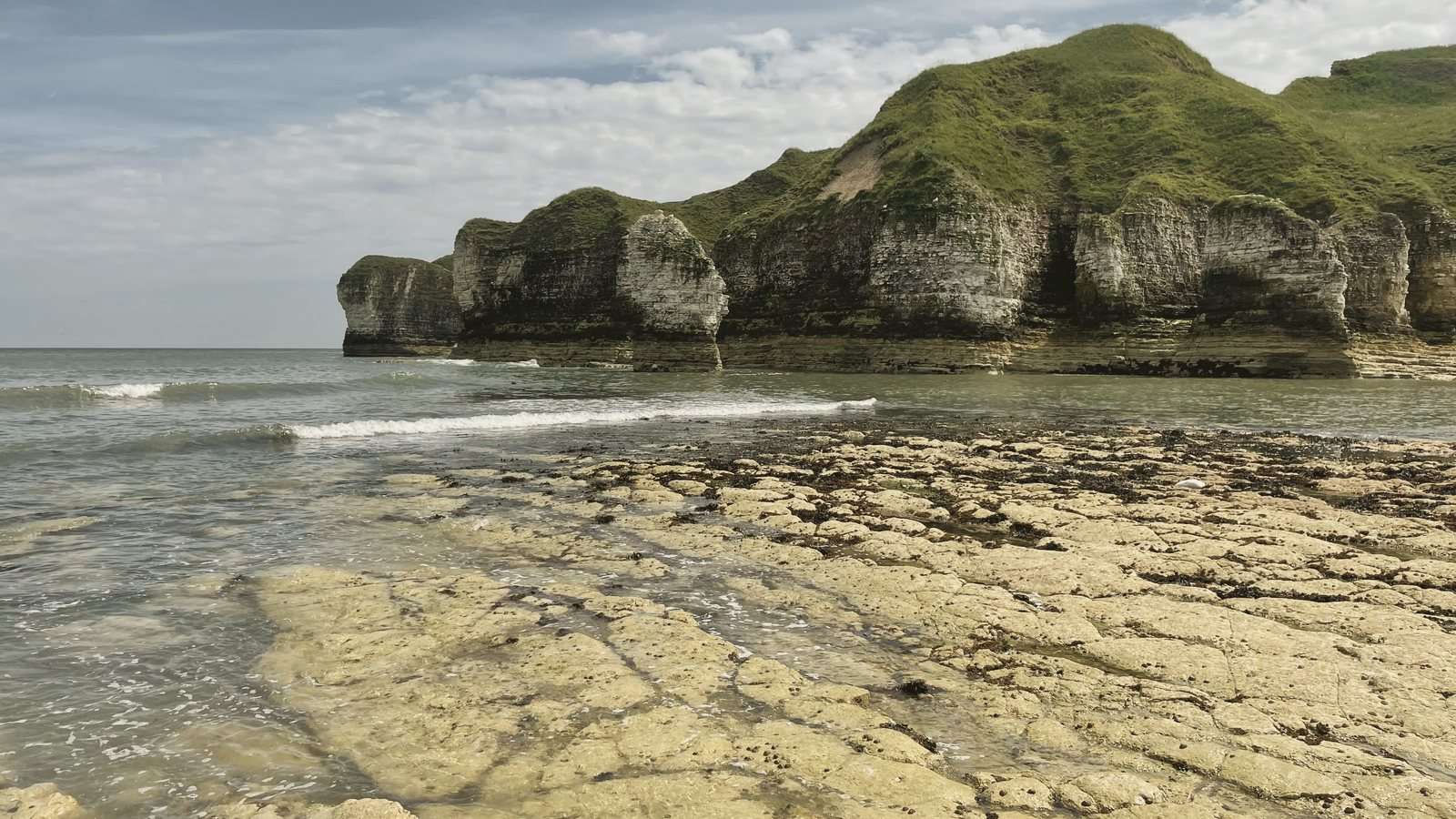

Where Aaron works.
Home visits across East and North Yorkshire.
Aaron comes to you for trust and estate planning: kitchen table, care home, farm office. Evening appointments if daytimes are hard. No travel charge anywhere on the map.
Trusts in Bridlington and the towns around it.
Aaron is based in Bridlington, and the town has its own page for this work: trusts solicitor in Bridlington, with what tends to come up locally, the two town questions and how a home visit is arranged.
The same service, on its own page, for the towns nearest Bridlington: Carnaby, Boynton, Flamborough and Bempton. Every town and village Aaron comes to is on the areas page.
Next step
Ready when you are.
- Get your price
- Talk to AaronCall, or book a free 15-minute call.
- Send your detailsFill in the questionnaire online. Aaron reads it before you speak.
Sixty seconds of questions that end on your plan and a fixed fee, with VAT.
Or call 01262 310 850, Monday to Friday, 9am to 5.30pm.
Appointments are usually available within a few working days, including Tuesday and Thursday evenings, and home visits across East and North Yorkshire.