Wills · 7 min read · Published
Where to Store Your Will and How Your Family Can Find It
Where you keep your will matters as much as what it says. Solicitor storage, the National Will Register, telling your executors, and why only the signed original counts.
By Aaron Johnson, Consultant Solicitor and TEP, a solicitor in Bridlington who writes every guide himself.
Guides · Wills · No. 6 of 18Published · 7 minutes
You can make a careful will, but if nobody can find it after you die, it may as well not exist. People often worry less about what the will says than about where to keep it and how the family will get hold of it. Storing a will well is simple once you know the few things that matter.
Why the signed original is the only one that counts
Under the Wills Act 1837, a valid will in England and Wales must be in writing, signed by you and witnessed by two people. The paper carrying those signatures is your original will, and it is the original the Probate Registry wants to see. Photocopies, scans and PDFs are useful as references. They do not replace the signed paper.
So where you store the will matters as much as what it says. A perfect will that no one can produce is, in practice, no will at all.
Your storage options
There is no single correct place to keep a will, only trade-offs between security, cost and how easily your family will find it. These are the main options.
- Storage with your solicitor. Many firms, including Aaron's, hold clients' original wills in secure storage and keep a record of whose they are. Your executors simply contact the firm. The will is protected and easy to trace.
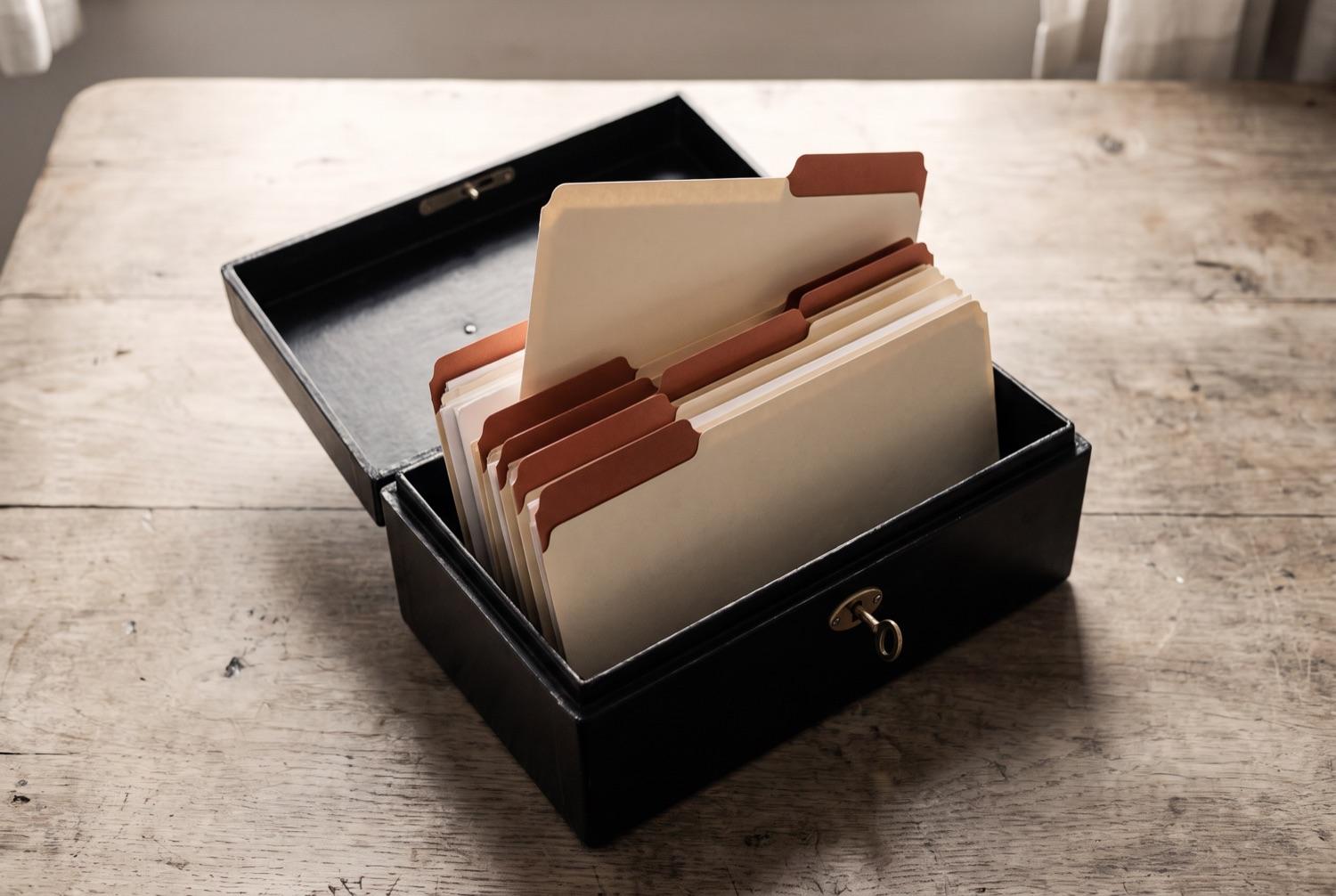
- At home. Fine if you choose a dry, secure spot and tell your executors exactly where it is. A home safe or a sealed document wallet works. A kitchen drawer or a loft box that nobody knows about does not.
- A bank. Some people keep wills with the bank. Access after death can be slow, because the bank may insist on seeing the grant of probate first, and you cannot get probate without the will. Check the bank's process before choosing this route.
- A document-storage service. Professional storage companies hold the original for a fee. As with any third party, make sure your executors know who holds it and how to reach them.
The National Will Register: a safety net
Registering does not store the document. It records a signpost. After your death, your executors or their solicitor can search the register and be pointed to whoever holds the original. It is a one-off step, and useful if your family lives away and is not sure where you kept things.
You can register a will made recently or years ago, and you can do it alongside storing the original with your solicitor. The two work together: secure storage keeps the will safe, and the register makes sure it can be found.
Telling your executors: the step people often skip
A common reason wills go missing is not theft or fire. It is that the person who made the will told nobody where it was. You do not have to reveal what is in it. Your executors need to know three things: that a will exists, where the original is kept, and who to contact to get it.
How to brief your executors well
- Confirm they are willingCheck the people you have named are happy to act before you rely on them. Being an executor is a real responsibility.
- Tell them where the original isName the solicitor, the storage service or the exact place at home. If it is with a firm, give them the firm's name and town.
- Write it downLeave a short, dated note with your important papers saying where the will is. Update it if anything changes.
- Mention the registerIf you have registered with the National Will Register, tell them, so they know a search will find it even if they lose your note.
Keeping it safe over the years
Storing a will is not a one-off task. A few habits prevent the most common problems.
- Re-check where your will is kept whenever you move house, change solicitor or update the will.
- If you make a new will, make sure the old original is dealt with, so the right document is the one that is found.
- Keep your note at home current. An out-of-date pointer sends the family to the wrong place.
- Protect the original from damp and fire. A sealed wallet in a safe beats a loft or a damp shed.
- Tell a second trusted person, as well as your executors, where the will is.
A will only does its job if the family can find the signed original on the worst day of their lives. Secure storage and a simple, honest conversation with your executors are worth as much as the wording itself.
Local help keeping your will safe
If you want to know your will is stored securely and can be found when needed, Aaron Johnson, a solicitor and STEP-qualified Trust and Estate Practitioner, will talk it through. He works with families across Bridlington and the Old Town, Driffield, Filey, Hornsea, Beverley, Bempton, Flamborough and the wider East Riding, with fixed fees and home visits. The first call is free and there is no obligation.
Written by Aaron Johnson, Consultant Solicitor and TEP · Law of England and Wales as at 18 June 2026 · Ends